What makes coastal environments tough on windows
- Salt corrosion – Unprotected aluminum and hardware can pit and weaken over time
- High wind pressure – Typhoons demand windows that can handle sudden, extreme loads
- Persistent humidity – Moisture can break down seals, leading to leaks and reduced insulation
Our recommended window system for coastal projects
For buildings in coastal areas, we typically recommend:
- Thermal‑break aluminum windows (110 series)
- Profile thickness: 1.4mm to 1.8mm for better structural strength
- Surface finish: PVDF coating—offers excellent resistance to salt and UV
- Glass: Double‑glazed units with Low‑E coating to reduce heat gain and improve comfort
Why standard aluminum windows often fall short
Non‑thermal systems (such as 50 series) are perfectly fine for interior applications or sheltered locations, but in harsh coastal conditions they tend to age quickly. Corrosion can start at the edges, and thermal performance may not be enough to keep interiors comfortable.
Investing a bit more upfront in a coastal‑grade system saves you from frequent repairs, hardware replacements, and unhappy occupants later.
Don’t overlook the hardware
Even the best aluminum profile can underperform if the hardware isn’t up to the job. For coastal projects, we always specify stainless steel or high‑grade coated hardware—it ensures smooth operation, reliable locking, and years of trouble‑free use.
Final thoughts
When you’re building in a coastal environment like the Philippines, choosing a properly specified aluminum window system is one of the smartest decisions you can make. It reduces long‑term maintenance, improves safety during storms, and keeps the building comfortable year‑round.
If you have a project coming up and want recommendations tailored to your location and design, feel free to reach out—we’re happy to help with system suggestions and quotations.
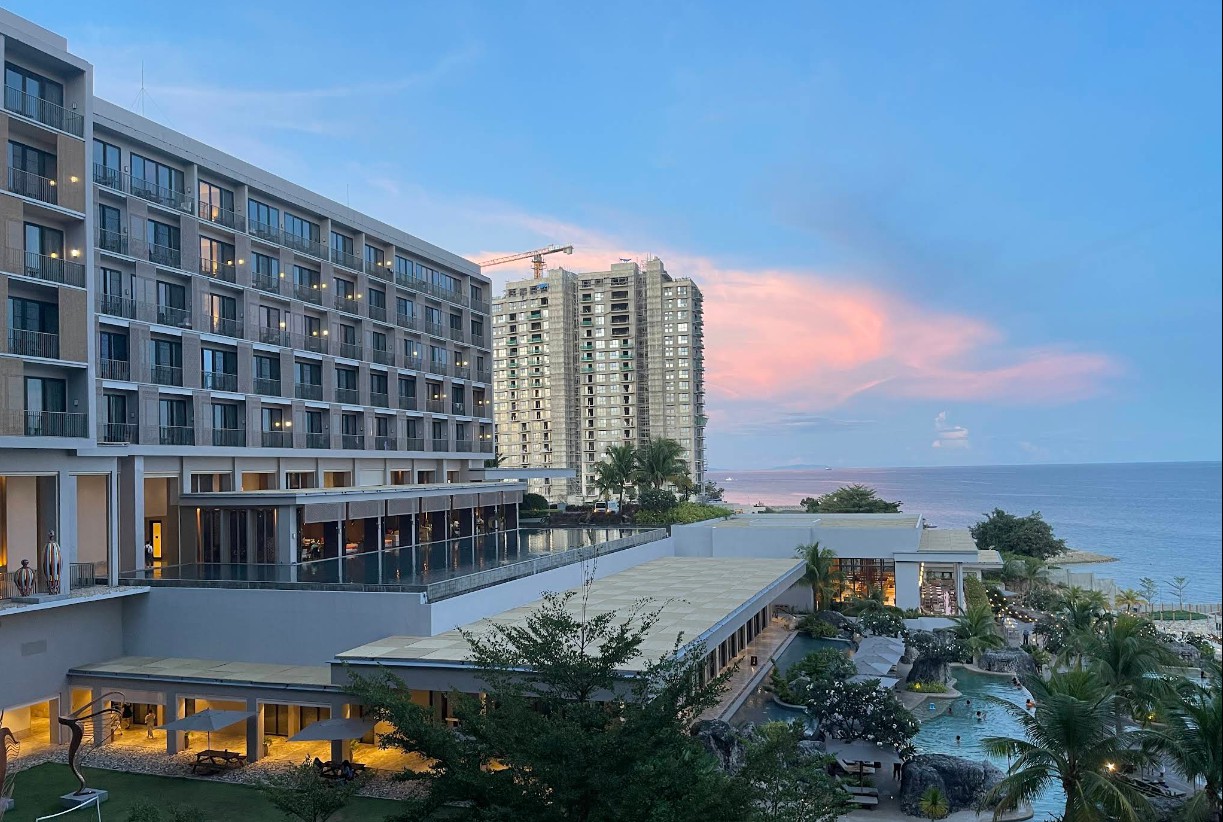
This is our project—the Sheraton Mactan Cebu Resort in Cebu, Philippines